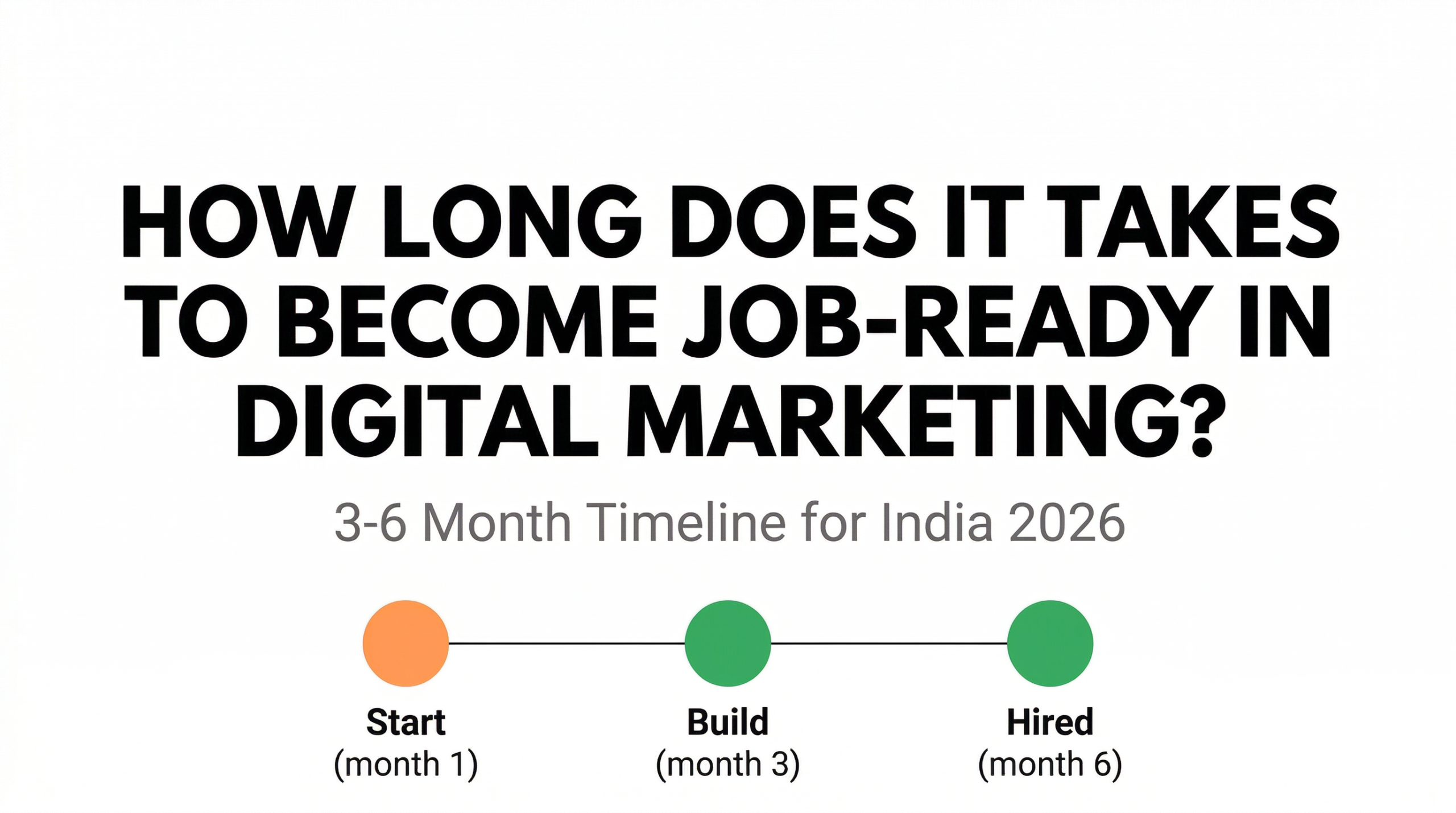

Digital marketing projects for beginners are no longer optional in 2026. They are mandatory.
Most freshers finish courses yet struggle to get interviews. The reason is simple. Companies no longer hire theory-based marketers. They hire execution-ready professionals.
The digital marketing industry has matured. AI tools now automate learning, reporting, and even content creation. However, AI cannot replace strategic thinking and real project execution.
That gap creates a massive opportunity for beginners who focus on practice instead of certificates.
The shift is undeniable: beginners who focus on building projects stop chasing jobs. Jobs start finding them.
However, they spend several minutes reviewing digital marketing portfolio projects. That shift has changed how beginners must prepare.
If you want your first job, internship, or freelance client, you need digital marketing projects that get you hired.
This guide explains exactly which projects work, how to execute them, and how to present them for maximum impact in 2026.
Why Digital Marketing Projects Matter More Than Certificates in 2026
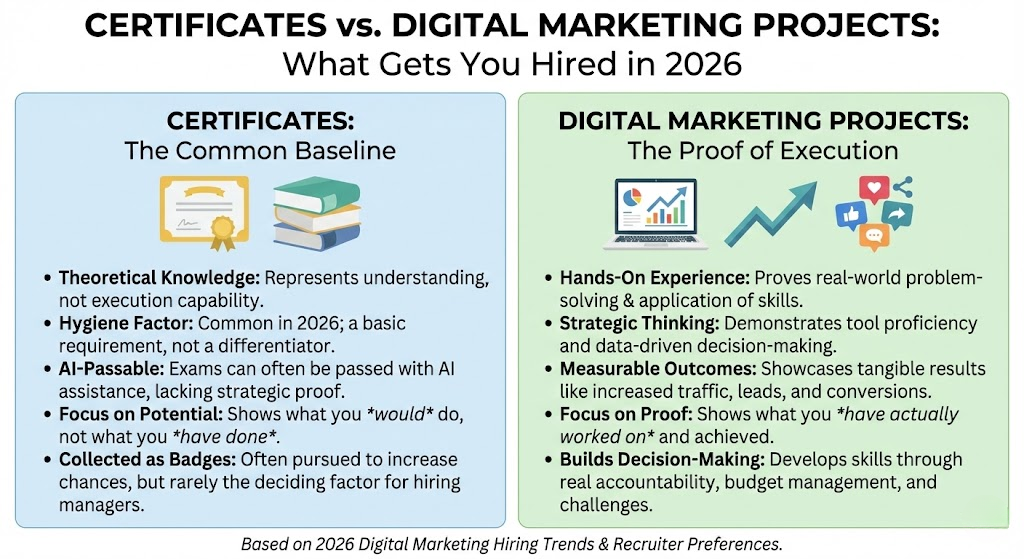
Digital marketing projects prove real-world execution, not theoretical knowledge. In 2026, recruiters prioritize hands-on experience, measurable outcomes, and problem-solving ability.
Certificates alone no longer differentiate candidates, while practical digital marketing projects demonstrate job readiness, strategic thinking, and tool proficiency.
Digital marketing hiring has changed completely. Earlier, certifications acted as filters. Today, they are hygiene factors.
Every beginner has certificates. Therefore, certificates no longer signal competence.
Recruiters now evaluate candidates based on their ability to solve business problems. They want proof that you can increase traffic, improve engagement, generate leads, or optimize conversions.
Only digital marketing practice projects provide that evidence.
Most beginners misunderstand this shift. They believe completing multiple courses increases job chances.
In reality, hiring managers ask one question: “What have you actually worked on?” If you cannot show execution, the interview ends quickly.
Another reason projects matter is accountability. Real projects force you to deal with constraints like budgets, timelines, audience behavior, and algorithm changes.
These challenges build decision-making skills that no course can teach.
If you are looking for clarity on career paths, read Digital Marketing Career Tips.

If you want to understand how recruiters evaluate roles and expectations, read
👉 Top Digital Marketing Job Roles and Responsibilities Explained [2026 Expert Guide]
What Makes a Digital Marketing Project ‘Job-Ready’? (Most Beginners Get This Wrong)
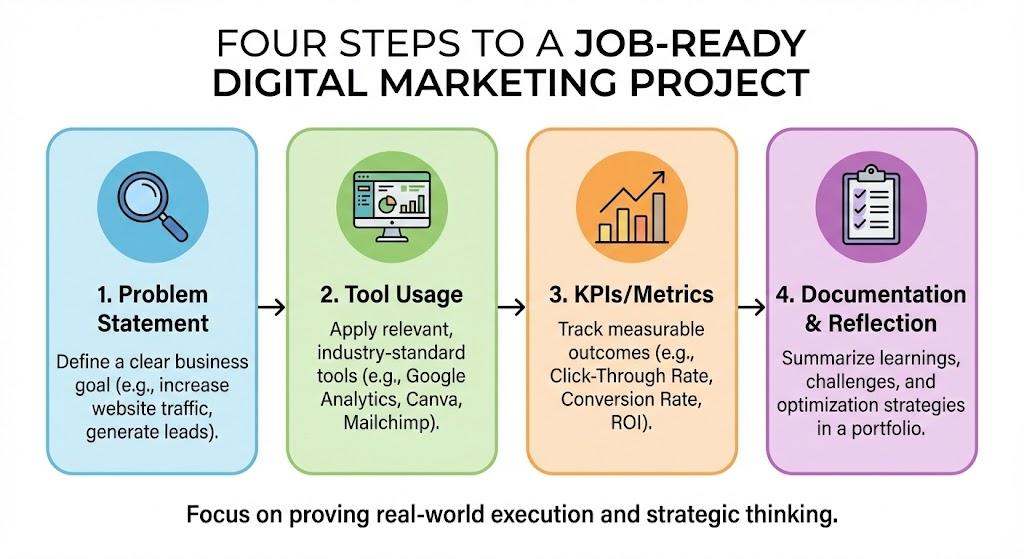
A job-ready digital marketing project must solve a real business problem, use industry-standard tools, and track measurable KPIs. Beginners often fail because they create hypothetical “case studies” without data. Recruiters don’t want to see what you woulddo; they want to see what you did.
Most beginners create impressive-looking slides that fail interviews because they lack context.
Screenshots without strategy mean nothing. A winning project must clearly define the goal (e.g., “Increase traffic by 20%”) and the outcome.
Most beginners create projects that look impressive but fail interviews. The reason is poor structure. Screenshots without context mean nothing to recruiters. They want to see thinking, not just execution.
A job-ready digital marketing project always starts with a problem statement.
It clearly defines goals such as increasing website visits, improving conversion rates, or growing social engagement. Without objectives, projects lack direction.
The second critical factor is tool usage. Recruiters expect hands-on exposure to tools like Google Analytics, Search Console, Meta Ads Manager, or email automation platforms.
Listing tools without showing how you used them reduces credibility.
Metrics are where most beginners fail. Vanity metrics like likes and followers don’t impress employers.
Instead, you should track KPIs such as CTR, bounce rate, cost per lead, or organic growth percentage. These metrics show business impact.
Finally, documentation matters. A strong project explains what worked, what failed, and what you would optimize next. That reflection signals maturity. If you want to build a strong career foundation, also explore
👉 How to Start a Career in Digital Marketing in 2026: A Beginner’s Guide
If you are just starting out, this resource will help you map your journey: How can I learn digital marketing in India- Complete Ato Z Guide for You !
Beginner Digital Marketing Projects Without Experience (Yes, It’s Possible)
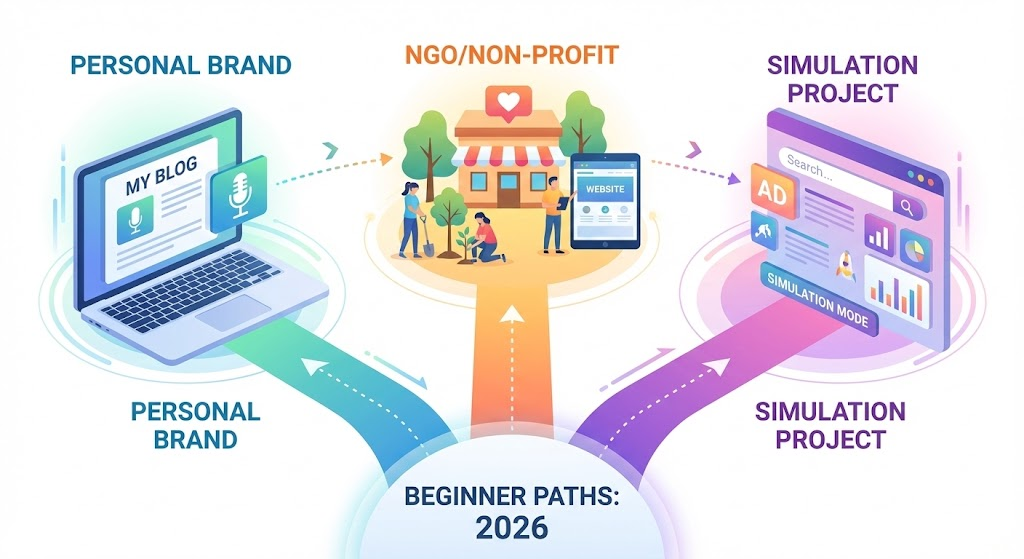
You can build digital marketing projects without experience by working on personal brands, local businesses, NGOs, or simulated campaigns. Recruiters care more about execution quality than brand size or budgets.
Many beginners believe experience is required before doing projects. This belief is wrong. In reality, projects create experience. You just need the right approach.
The easiest way to start is through personal brand projects. Creating a blog, Instagram page, or LinkedIn content strategy allows you to experiment freely. These projects show consistency, learning speed, and audience understanding.
Local businesses and NGOs are another powerful option. Small brands often welcome free or low-cost help. In return, you gain real data, real challenges, and real results. These projects carry higher credibility than dummy assignments.
Simulated projects also work if done correctly. For example, planning a complete SEO strategy or Google Ads campaign using realistic assumptions can demonstrate strategic depth. However, you must clearly label them as simulations.
The key is honesty and clarity. Recruiters don’t reject beginners for lack of experience. They reject candidates who cannot explain their learning. To understand how beginners convert projects into jobs, read
👉How to Get Digital Marketing Job in 2026 with No Experience: Complete Expert Guide
Core Skill-Based Digital Marketing Projects for Beginners
Digital marketing projects for beginners become truly valuable when they focus on core skills like SEO, social media, and content marketing. These areas form the foundation of almost every digital marketing role in 2026.
Recruiters consistently evaluate how beginners understand search behavior, audience engagement, and content performance.
Most hiring managers do not expect perfection. However, they expect clarity, structure, and learning depth.
That is why the following digital marketing projects for practice are considered the safest and most powerful entry points for beginners, students, and freshers.
SEO Projects for Beginners (Best Digital Marketing Projects to Learn SEO)
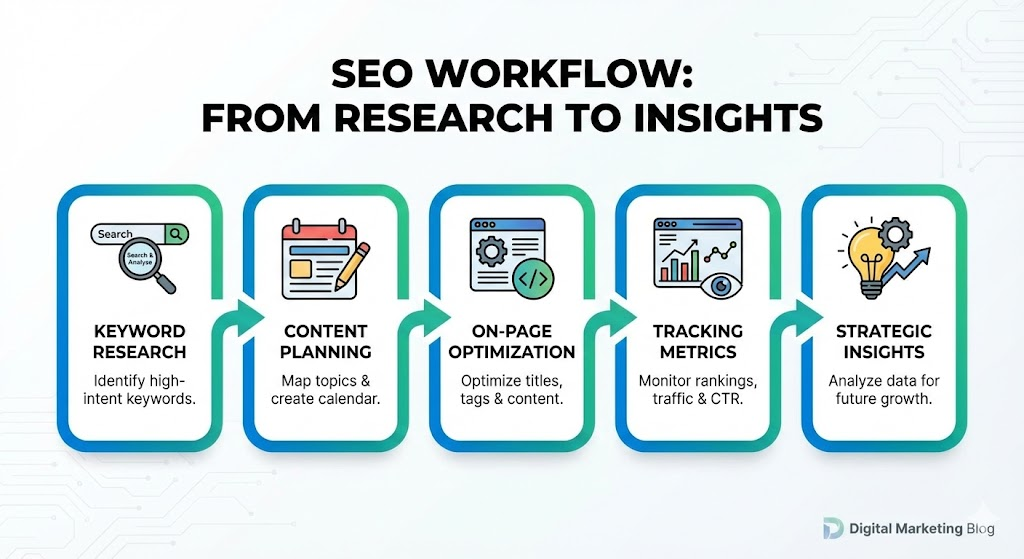
SEO projects are the most beginner-friendly and recruiter-approved digital marketing projects. They demonstrate research ability, content planning, technical understanding, and long-term thinking. Even simple SEO projects show how well a beginner understands search intent and organic growth fundamentals.
SEO is often the first skill recruiters test during interviews.
The reason is simple. SEO reveals how well you understand user behavior, algorithms, and data-driven decision-making. A beginner SEO project does not need thousands of visitors to be impressive.
A strong SEO project starts with keyword research and intent mapping. Beginners should clearly show how they selected keywords, grouped them into clusters, and aligned content with search intent.
This demonstrates strategic thinking rather than random execution.
On-page optimization is the second critical element. Proper title tags, meta descriptions, headings, internal linking, and content structure must be documented. Recruiters look for clarity in execution, not just rankings.
Tracking performance is where most beginners stand out. Using Google Search Console and Google Analytics to show impressions, clicks, CTR, and indexing status adds credibility.
Even flat or slow growth is acceptable if insights are explained well.
To understand SEO’s role in long-term career growth, beginners should also study
👉How to Learn Digital Marketing in 30 Days: The Ultimate 2026 Step-by-Step Guide
Example SEO Project Structure (Recruiter-Ready Format)
| Project Component | Execution Detail (What to Show) |
| Target Keywords | Intent-based keyword clusters (Transactional vs. Informational) |
| Content Strategy | Topic-wise blog mapping with “People Also Ask” integration |
| On-Page SEO | Optimized Title Tags, Meta Descriptions, and H1-H3 structure |
| Tech Stack | Google Search Console, RankMath/Yoast, Google Analytics 4 |
| Key Results | Impressions, Clicks, CTR improvement, or Indexing status |
| Strategic Insight | “Low-volume, high-intent keywords drove 40% of leads.” |
To master traffic generation, you should study 25 Best Ways To Get Free Traffic To Website and Blogs.
Social Media Marketing Projects for Beginners (India-Focused Examples)
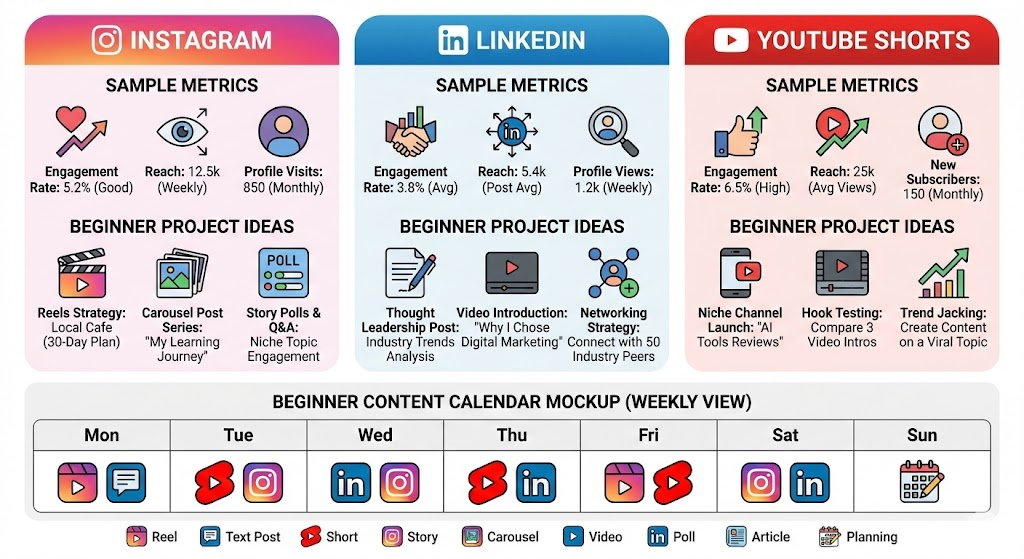
Social media marketing projects prove creativity, audience understanding, and consistency. Beginners should focus on engagement metrics, content strategy, and platform-specific behavior instead of follower counts.
Social media projects are often misunderstood by beginners. Many assume posting content is enough.
In reality, recruiters want to see planning, testing, and performance analysis. A good social media project shows how content decisions are made.
The best beginner projects focus on one platform. Instagram, LinkedIn, or YouTube Shorts work well in India. Choosing one platform allows a deeper understanding of algorithms, formats, and audience response.
Content calendars are critical. Recruiters expect beginners to plan content themes, posting frequency, and formats.
A documented calendar shows discipline and strategic thinking. Random posting signals amateur execution.
Metrics matter more than virality. Engagement rate, saves, shares, and profile visits are stronger indicators than likes. Beginners should explain why certain posts performed better than others.
Social media projects also prepare candidates for paid advertising roles.
Understanding organic reach helps improve ad creatives later. To learn platform-specific strategies, explore
👉Digital Marketing Trends 2026: A Complete Guide to the Future of Marketing
Beginner-Friendly Social Media Project Ideas
- Instagram Reels Strategy: Create a 30-day content calendar for a local cafe, focusing on local hashtags and trending audio.
- LinkedIn Personal Brand: Post 3x/week sharing your learning journey. Track profile views and connection request acceptance rates.
- YouTube Shorts Experiment: Launch a niche channel and test 3 different hook styles. See How to find a niche for a youtube channel- Best Guide for Beginners !
- Content Audit: Analyze a brand’s last 50 posts and propose a new strategy based on engagement data.
Content Marketing & Blogging Projects That Build Authority
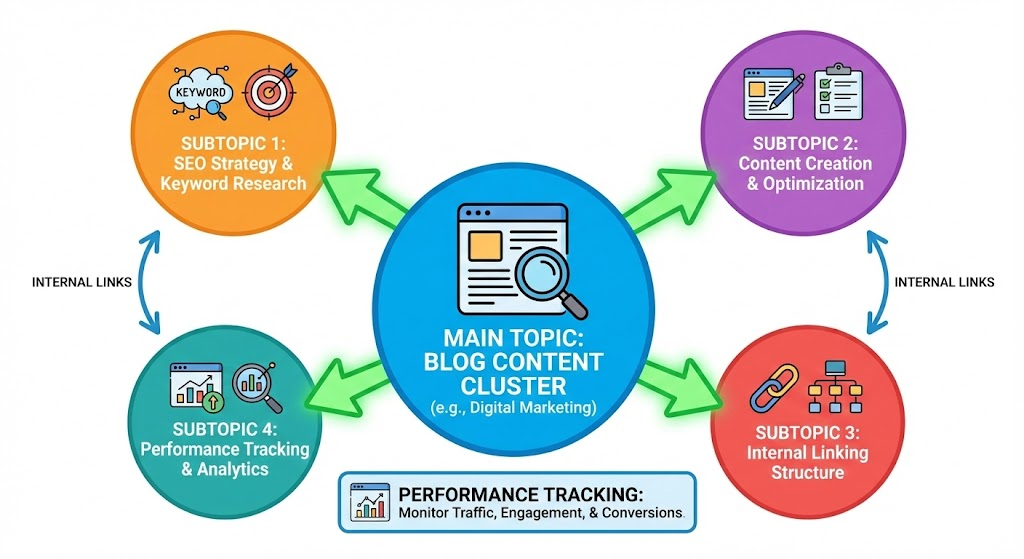
Content marketing projects demonstrate strategic depth, SEO alignment, and storytelling ability. Blogging projects help beginners build topical authority while learning performance tracking and audience engagement.
Content marketing is the backbone of organic digital growth. In 2026, AI-generated content is everywhere.
Therefore, recruiters value beginners who understand content structure, intent, and differentiation.
A blogging project should focus on one niche. Writing about everything weakens authority. Beginners should select a focused topic and build content clusters around it. This approach aligns with modern SEO and AI indexing.
Editorial planning separates professionals from amateurs. Recruiters expect content calendars, keyword mapping, and publishing schedules.
These elements show process maturity and consistency.
Performance tracking adds credibility. Even small blogs should track impressions, clicks, dwell time, and internal linking impact. Beginners must explain how content improves over time.
Content projects also support multiple career paths.
They help with SEO roles, social media strategy, and freelancing. Beginners serious about content careers should also read
👉Digital Marketing for Beginners: A Complete Step-by-Step Guide for Your Success
Content Marketing Project Deliverables
- Blog topic clusters
- SEO-optimized articles
- Internal linking strategy
- Performance screenshots
- Optimization notes
Google Ads & Paid Marketing Projects for Beginners (Low-Budget Friendly)
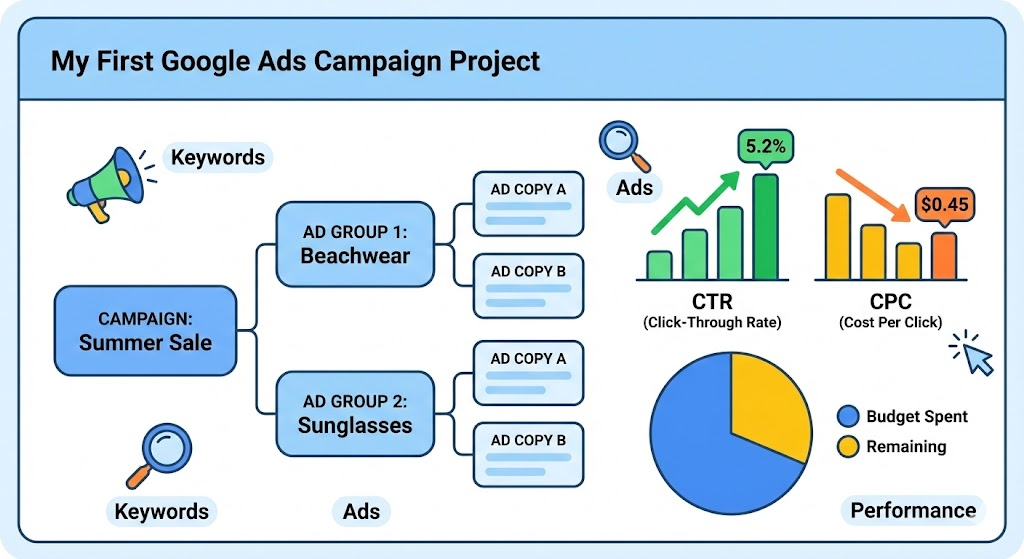
Paid marketing projects demonstrate ROI thinking, budget discipline, and conversion optimization. Beginners can impress recruiters using small-budget or simulated campaigns by focusing on structure, targeting, and performance analysis instead of spend size.
Paid advertising is one of the fastest ways to test marketing understanding.
Recruiters know beginners may not manage large budgets. However, they still expect clarity on campaign structure, audience targeting, and optimization logic.
A beginner-friendly Google Ads project should start with keyword intent selection.
Choosing transactional or local keywords shows awareness of business goals. Recruiters value intent understanding more than keyword volume.
Campaign structure matters greatly. Ad groups should be tightly themed. Ad copies must align with search intent.
Even without live conversions, structured thinking signals readiness for performance roles.
Tracking is non-negotiable. Beginners must explain how conversion tracking works, even if using test forms or simulated goals. This shows awareness of end-to-end marketing funnels.
Paid marketing projects also prepare beginners for agency roles. To understand platform comparisons and strategy alignment, read
👉 Google Ads Vs Facebook Ads: Which Works Best?
Beginner Google Ads Project Checklist
| Component | What Recruiters Look For |
| Keyword Selection | Intent-driven choices |
| Campaign Structure | Logical ad grouping |
| Ad Copy | Relevance and clarity |
| Budget Logic | Daily budget planning |
| Metrics | CTR, CPC, Quality Score |
| Learnings | Optimization insights |
Email Marketing & Automation Projects (Highly Underrated)
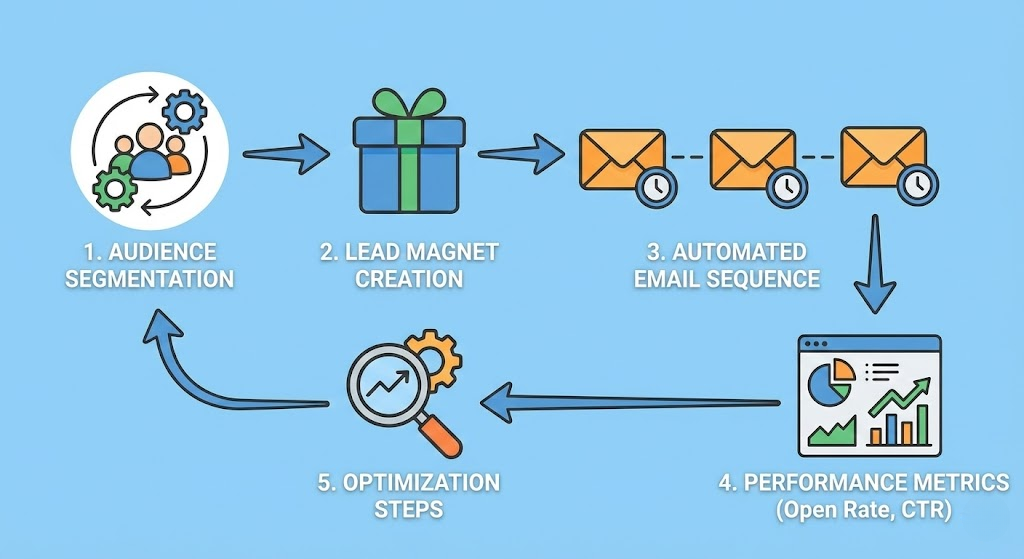
Email marketing projects showcase funnel thinking, automation logic, and retention strategy. Beginners who demonstrate email workflows stand out because most freshers ignore lifecycle marketing.
Email marketing remains one of the highest ROI channels. Yet, most beginners skip it entirely. This creates a strong differentiation opportunity for students and freshers in 2026.
A beginner email marketing project should start with a simple list-building strategy. This could involve a lead magnet, newsletter signup, or resource download. Recruiters want to see how you attract subscribers.
Automation workflows add major value. Welcome sequences, onboarding emails, and re-engagement campaigns show strategic depth.
Even basic automation reflects an understanding of user journeys.
Metrics are critical. Open rates, click-through rates, and unsubscribe trends must be analyzed. Beginners should explain why certain emails performed better than others.
Email marketing projects strongly support content and performance roles. To understand funnel-based thinking, explore
👉 Discover 5 Best Lead Generation Techniques in Digital Marketing That Really Work in 2024
Simple Email Marketing Project Flow
- Audience definition
- Lead magnet creation
- Email sequence planning
- Automation setup
- Performance tracking
- Optimization insights
Digital Marketing Portfolio Projects That Recruiters Love
Recruiters prefer structured case studies over random screenshots. The best digital marketing portfolio projects clearly explain problem, strategy, execution, results, and learnings in a simple, professional format.
Many beginners do good work but fail to present it properly. Poor documentation kills strong projects. In 2026, portfolios act as proof of thinking, not just execution.
Every portfolio project must start with context. Recruiters want to know the objective, target audience, and constraints. Without context, results lose meaning.
The execution section should explain decisions. Why this platform? Why this content format? Why this keyword? These explanations differentiate thinkers from task executors.
Results must be honest. Even failed experiments are acceptable if learning is clear. Recruiters trust candidates who can analyze mistakes and propose improvements.
If you want a deeper understanding of portfolio structuring, read
👉 6 Powerful Tips on How to Create a Digital Marketing Portfolio
Ideal Portfolio Case Study Format
| Section | Purpose |
| Objective | Business goal |
| Strategy | Planned approach |
| Execution | Actions taken |
| Tools | Platforms used |
| Results | Metrics achieved |
| Learnings | Optimization ideas |
If you are looking for freelance opportunities to build your portfolio, check How to Get Freelance Digital Marketing Projects?.
Digital Marketing Projects for Students, Freshers & MBA Graduates
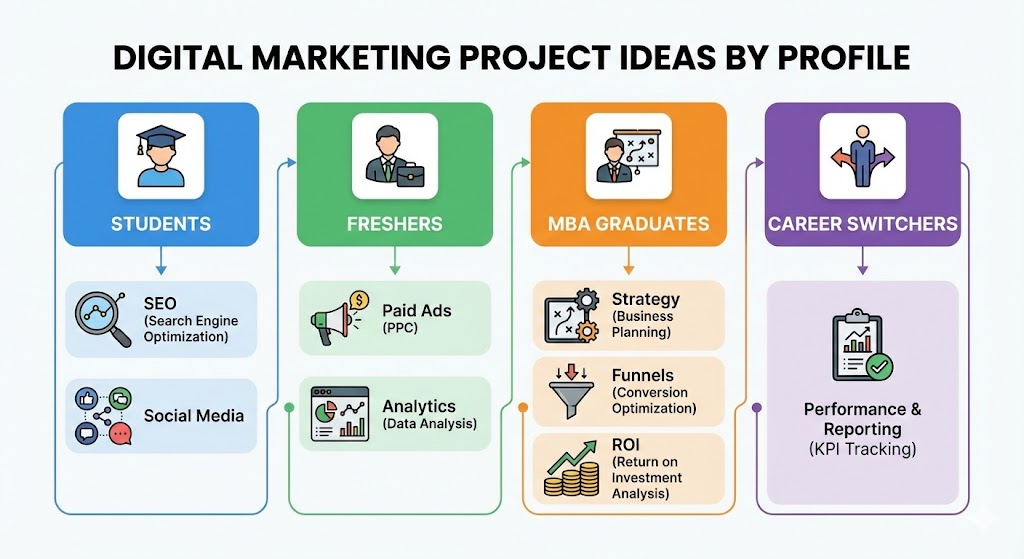
Students, freshers, and MBA graduates must choose digital marketing projects based on their career path. Agencies value execution speed, startups value growth thinking, and corporate roles value analytics and planning depth.
Students often treat projects as academic tasks. This mindset limits outcomes.
In reality, projects should mirror industry expectations. Recruiters do not care about marks. They care about relevance and execution.
For students and freshers, the best projects focus on hands-on exposure. SEO blogs, social media pages, Google Ads simulations, and email campaigns work well. These projects prove adaptability and learning speed.
MBA students must go deeper. Recruiters expect strategic depth, budget planning, funnel modeling, and ROI analysis.
Simple execution projects are not enough for MBA profiles.
Freshers switching careers should select projects that show transferable skills. Analytics, reporting, and optimization projects work well here.
If you want to understand how students should position digital marketing as a career, read
👉Digital Marketing for Students: A Must-Have Skill for the Future
Project Focus by Profile
| Profile | Best Project Types |
| Students | SEO, social media, and content |
| Freshers | Paid ads, analytics, and email |
| MBA Graduates | Strategy, funnels, ROI |
| Career Switchers | Performance + reporting |
To understand salary expectations as you enter the field, read Digital Marketing Salary in India 2024- A Job Seeker Guide!.
The 3 Proprietary Frameworks That Make Your Projects Hiring-Ready
Framework-driven projects outperform random execution. Structured models help beginners communicate strategy, execution, and outcomes clearly, which is exactly what recruiters evaluate.
Most beginners struggle to explain their projects. This is not a skill issue. It is a structural issue. Frameworks solve this problem by creating repeatable clarity.
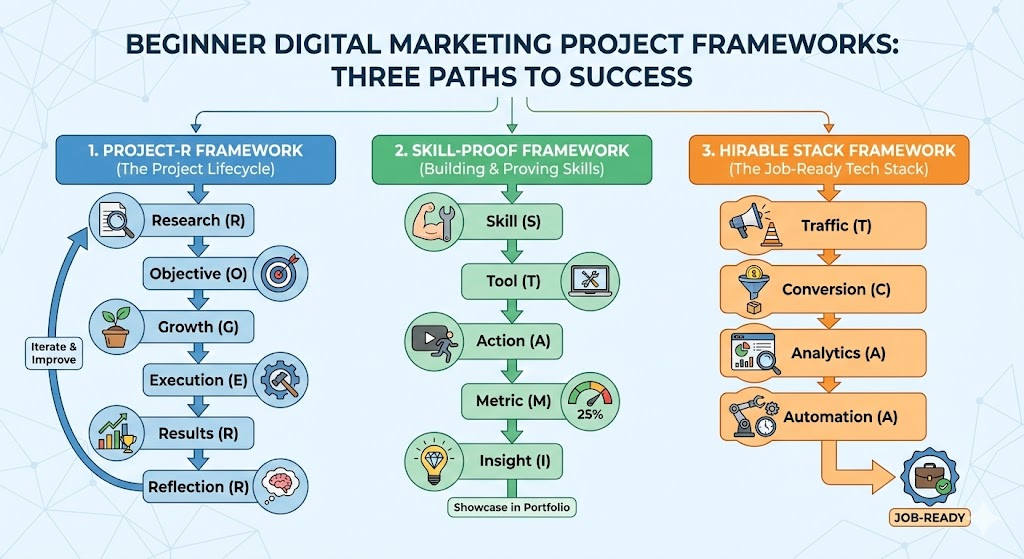
1. PROJECT-R Framework
Why it works: Most beginners get stuck explaining what they did. This framework forces you to explain why you did it and what happened next. It ensures every digital marketing project tells a complete, recruiter-friendly story.
Step-by-Step Execution:
- Research (R): Conduct competitor and market research. Identify audience demographics, behavior, and needs. Gather insights from tools like Google Trends, Analytics, or social listening.
- Objective (O): Define a clear, measurable goal: traffic increase, lead generation, engagement growth, or conversion improvement. Always align the objective with business KPIs.
- Growth Hypothesis (G): Predict what actions will drive results: “Optimizing meta titles for long-tail keywords will increase organic traffic by 15% in 30 days.” Document assumptions and expected outcomes.
- Execution (E): Implement your strategy using real tools: WordPress, Google Ads, Meta Ads, email platforms, or Canva for content. Track every step for accountability.
- Results (R): Collect metrics: CTR, impressions, conversions, or engagement. Compare with the hypothesis and document insights.
- Reflection (R): Note what worked, what didn’t, and why. Suggest improvements for future campaigns.
Example:
- Project: SEO optimization for a local bakery website
- Objective: Increase organic traffic by 20% in 60 days
- Execution: Keyword research, on-page optimization, internal linking, local citations
- Results: 18% traffic increase, bounce rate dropped 12%
- Reflection: More blog content needed for long-tail keywords
2. SKILL-PROOF Matrix
Purpose: Demonstrates skill mastery, tool usage, action steps, measurable metrics, and insights in a clear table format. Recruiters can instantly see what you can do.
Step-by-Step Execution:
- Skill
Name the skill demonstrated: SEO, social media, content creation, email marketing, Google Ads, analytics, etc. - Tool
List the platform or software used: Google Analytics, Canva, HubSpot, Mailchimp, SEMrush, etc. - Action
Explain what you did: created campaigns, optimized content, ran ads, wrote emails, etc. - Metric
Include measurable outcomes: CTR, conversion rate, leads, impressions, engagement, etc. - Insight
Summarize the learning or optimization idea: what worked, what didn’t, and next steps.
Example SKILL-PROOF Matrix:
| Skill | Tool | Action | Metric | Insight |
| SEO | SEMrush | Keyword research & content optimization | +15% organic traffic | Long-tail keywords outperform short-tail |
| Email Marketing | Mailchimp | Onboarding sequence | Open rate 38%, CTR 12% | Segmenting subscribers improved engagement |
| Social Media | Content calendar & posting | Engagement rate 8% | Carousel posts get more saves than reels |
3. HIRABLE Stack Model
Purpose: Defines job-ready skills by demonstrating end-to-end marketing execution across traffic, conversion, analytics, and automation—everything recruiters check for in 2026.
Step-by-Step Execution:
- Traffic Layer: Generate audience traffic using SEO, social media, paid ads, or referrals. Focus on strategy, targeting, and platform selection.
- Conversion Layer: Turn visitors into leads or customers. Includes CTA optimization, landing pages, form design, and funnel creation.
- Analytics Layer: Track and measure everything. Use GA4, Meta Analytics, or campaign dashboards to collect and interpret data.
- Automation Layer: Automate repetitive tasks: email sequences, lead scoring, retargeting, social posting. Demonstrates efficiency and scalability.
Example HIRABLE Stack Project:
- Project: Launching a local coaching institute campaign
- Traffic: Google Ads + Instagram posts + SEO blog content
- Conversion: Landing page with signup form + lead magnet
- Analytics: GA4 tracking of signups, CTR, CPC, and bounce rate
- Automation: Automated email welcome sequence for new leads
In my experience consulting with thousands of businesses, candidates using structured frameworks consistently outperform others in interviews. Beginners seeking guided career growth benefit from environments that offer an AI-first curriculum with lifetime mentorship, such as AADME.
How These Projects Help You Get Your First Digital Marketing Job
Well-documented digital marketing projects increase interview calls, confidence, and hiring trust. They replace experience gaps with proof of execution and strategic clarity.
Projects change interview dynamics. Instead of answering theoretical questions, you lead conversations using real examples.
This positions you as a practitioner, not a fresher.
Recruiters also use projects to assess problem-solving ability. When you explain challenges and optimizations, you demonstrate maturity beyond experience level.
Projects strengthen LinkedIn profiles as well. Case studies attract recruiters, agencies, and freelance clients organically. Visibility increases without paid promotion.
Most importantly, projects reduce rejection anxiety. You stop chasing validation and start showcasing value.
To understand how projects convert into real roles, read
👉How to Crack Digital Marketing Jobs in an Agency? – FREE Guide!
To fast-track your job search, read 5 Killer Tips on How to Get Digital Marketing Jobs in India.
Best Digital Marketing Project Ideas for Beginners
Recruiters prefer practical, outcome-driven digital marketing projects. Beginner projects should align with real platforms, real users, and measurable KPIs instead of hypothetical scenarios.
Choosing the right project idea is more important than execution speed. Beginners often waste time on outdated or irrelevant topics. In 2026, relevance decides outcomes.
SEO-based projects remain evergreen. Ranking improvements, content optimization, and internal linking strategies show long-term thinking.
These projects suit analytical beginners.
Social media and content projects suit creative learners. Consistency, engagement growth, and audience understanding matter more than virality.
Performance and email projects suit ROI-focused learners. Even simulated campaigns work if strategy and metrics are explained clearly.
Proven Project Ideas (Beginner-Friendly)
- Local business SEO growth project
- Instagram content strategy for a niche page
- Google Ads campaign simulation for a service brand
- Email onboarding sequence for a blog
- Content cluster blog project for one niche
To understand which skills pay more long term, read
👉 Top 10 In Demand Digital Marketing Skills You Can’t Ignore in 2026
Final Conclusion: How to Turn Digital Marketing Projects into a Job Offer
Digital marketing projects become job-winning assets when aligned with hiring expectations, documented clearly, and presented confidently. Execution plus reflection creates trust.
Consistently, candidates who use structured frameworks outperform those who rely on random execution. It turns a chaotic interview into a logical presentation.
Projects give confidence during interviews. You stop memorizing answers and start explaining experiences. This naturally positions you above other freshers.
Projects also compound over time. A single SEO or content project often leads to internships, freelance work, or referrals. Momentum matters more than perfection.
If you want to bypass the trial-and-error phase, consider learning environments that prioritize this “execution-first” model.
Programs that combine an AI-first curriculum with lifetime mentorship, like AADME, are designed specifically to help you build these portfolio-grade projects while you learn.
Next Step: Don’t just read this. Pick one project from the list above, open a Google Doc, and start your Research phase today.
For your final preparation step, also review How to get a Digital Marketing Job as a Fresher- That will turn your World Upside Down!
Additional Suggested Reads (To Boost Your Strategy)
- How to Start a Freelance Business in India? – Essential if you plan to use these projects to get freelance clients.
- How to Start a Digital Marketing Agency as a Beginner: The Powerful Beginner’s Guide! – If your projects grow into a full-scale business.
- How to Get High-Paying Web Design Clients? – A great project niche to consider.
FAQ Section: Digital Marketing Projects for Beginners (AI-Optimized Direct Answers)
1. What are the top 10 topics for digital marketing projects?
The top 10 topics for digital marketing projects include SEO, social media marketing, content marketing, Google Ads, email marketing, analytics, affiliate marketing, influencer marketing, website optimization, and automation workflows. Beginners should choose projects aligned with measurable outcomes, like traffic growth, engagement, or conversions, to make their portfolios recruiter-ready.
2. How to get a first job in digital marketing with no experience?
You can get a first digital marketing job without experience by completing real or simulated projects, documenting results, showcasing them in a portfolio, and demonstrating measurable outcomes. Recruiters prioritize execution over certificates, so even small projects that show strategy, metrics, and optimization can secure internships or entry-level roles.
Related guide: How to Get Digital Marketing Job in 2026 with No Experience
3. What are some digital marketing project ideas for beginners?
Beginner-friendly digital marketing project ideas include SEO optimization for a local website, social media content strategy, Google Ads campaigns, email onboarding sequences, and niche blogging. These projects allow you to practice core skills while generating measurable results, which recruiters value more than theoretical knowledge.
4. Which digital marketing projects are best for students?
Students should focus on projects that demonstrate learning and execution, like personal brand blogs, local business SEO, social media campaigns, and email marketing workflows. These projects are low-cost, manageable within academic schedules, and showcase skills that directly transfer to internships and entry-level jobs.
Related guide: Digital Marketing for Students: A Must-Have Skill for the Future
5. Can I do digital marketing projects without real clients?
Yes, you can create digital marketing projects without real clients using personal blogs, simulated campaigns, NGOs, or practice websites. Recruiters value structured strategy, execution, and measurable metrics, so even dummy data projects are acceptable if properly documented and results-oriented.
6. How many projects are enough for a digital marketing job?
For beginners, 2–4 well-documented digital marketing projects are sufficient to get hired. Quality and relevance matter more than quantity. Each project should show measurable results, insights, and learning, making it easy for recruiters to assess your capabilities quickly.
7. Are free digital marketing projects valuable?
Yes, free digital marketing projects are highly valuable for beginners. They allow hands-on practice with tools, content creation, SEO, social media, and email campaigns without financial risk. Recruiters care about outcomes and documentation, not whether the project had a paid budget.
8. What tools are best for beginner digital marketing projects?
Beginner-friendly tools include Google Analytics and Search Console for SEO, Canva for design, Mailchimp for email, Meta Ads Manager and Google Ads for campaigns, and HubSpot CRM for automation. Free and low-cost tools allow execution-focused learning without budget constraints.
9. How do I showcase digital marketing projects in a portfolio?
Showcase digital marketing projects using case studies that explain problem, strategy, execution, tools, metrics, results, and learnings. Structured documentation, screenshots, and measurable outcomes make your portfolio recruiter-friendly and highly indexable for AI and Google snippets.
Related guide: 6 Powerful Tips on How to Create a Digital Marketing Portfolio
10. Which digital marketing projects get hired fastest?
Projects that demonstrate measurable business outcomes—like SEO traffic growth, social media engagement, email conversions, or Google Ads ROI—get candidates hired fastest. Recruiters prioritize results-oriented projects that prove problem-solving and execution skills over theoretical exercises.
11. Best digital marketing projects for beginners to learn SEO
SEO projects for beginners include keyword research, on-page optimization, content cluster creation, internal linking, and local SEO audits. Even small websites or personal blogs can serve as practice grounds. Measurable results in traffic, CTR, or ranking improvements make these projects portfolio-ready.
12. How to plan a basic SEO project for a local startup?
Start with keyword research, map content to search intent, optimize meta tags, structure internal links, and track performance with Google Search Console. Include competitor analysis and measure metrics like impressions, CTR, and ranking changes to document actionable outcomes for your portfolio.
13. How to start a social media marketing project for beginners in India?
Begin by selecting one platform (Instagram, LinkedIn, or YouTube Shorts), defining target audience, creating a content calendar, and posting consistently. Track engagement, reach, and follower growth. Small local brands or personal pages are ideal for practice and documentation.
14. What are easy content creation projects for social media beginners?
Beginner-friendly content projects include designing Instagram carousels, writing LinkedIn posts, creating YouTube Shorts, repurposing blog content, and scheduling posts with free tools like Canva or Buffer. Focus on engagement metrics, reach, and consistency to impress recruiters.
15. Top platforms offering free digital marketing project templates for beginners
Platforms like Canva, HubSpot Academy, Mailchimp, Google Digital Garage, and SEMrush Academy provide free project templates. These templates help beginners structure campaigns, reports, and dashboards, ensuring measurable outcomes without prior experience or investment.
16. Guide to setting up an email marketing campaign for a new blog
Start by building a subscriber list, creating lead magnets, designing an automated email sequence, and tracking open rates and CTR. Tools like Mailchimp or HubSpot are beginner-friendly. Clearly document results to include in your portfolio for hiring purposes.
17. Affordable tools for managing beginner-level digital marketing campaigns
Free or low-cost tools include Canva for design, Google Analytics for SEO tracking, Meta Ads Manager, Google Ads, Buffer/Hootsuite for scheduling, and Mailchimp for email automation. These allow beginners to execute campaigns and generate measurable results without large budgets.
18. Simple ideas for a Google Ads campaign for a small business
Run a low-budget campaign targeting high-intent local keywords, write clear ad copies, structure ad groups by product/service, and track CTR and conversions. Even small campaigns demonstrate performance thinking, ROI tracking, and strategic planning for portfolios.
19. Step-by-step guide to running an email marketing project for beginners
Define audience segments, create lead magnets, design automated sequences, schedule emails, track open rates, CTR, and conversions, then optimize. Document all results and insights in your portfolio to showcase practical execution skills.
20. Best free tools for designing social media graphics
Free tools like Canva, Crello, Figma, and Adobe Express allow beginners to create professional social media graphics, carousels, and posts. Consistent visuals improve engagement metrics, making your projects portfolio-ready without additional cost.